
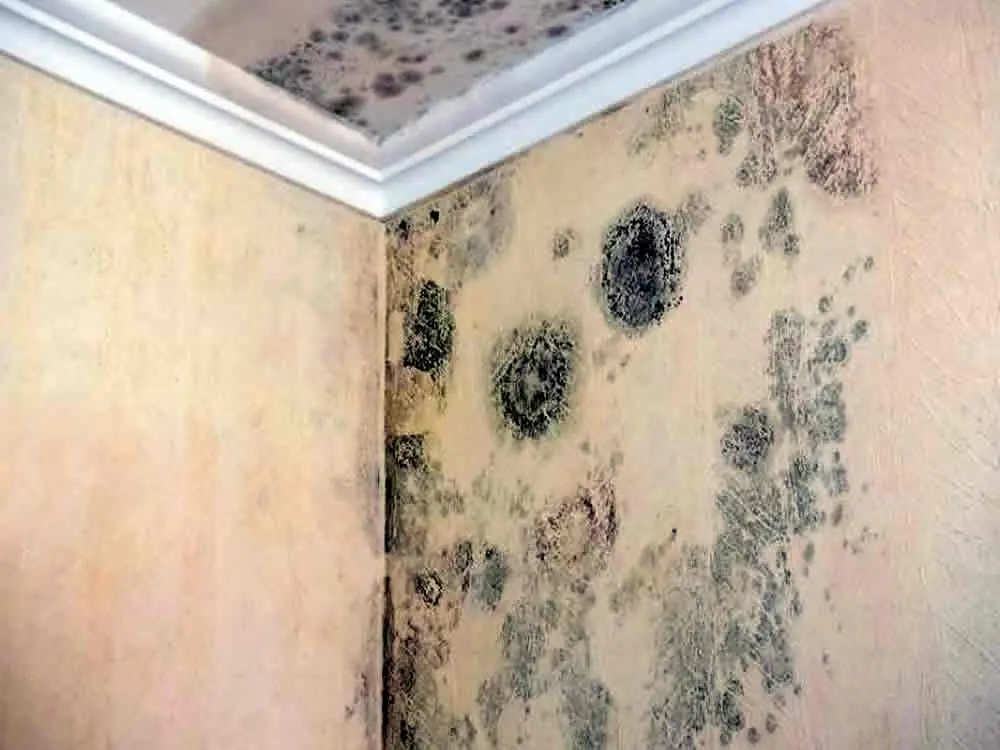
Homeowner Survey
For owners and landlords who want the cause of damp, mould, rot or woodworm diagnosed properly before any work is done.
Mould in a rented home causes more disputes than almost anything else. An independent report establishes the cause, so everyone knows what needs fixing and who should fix it.
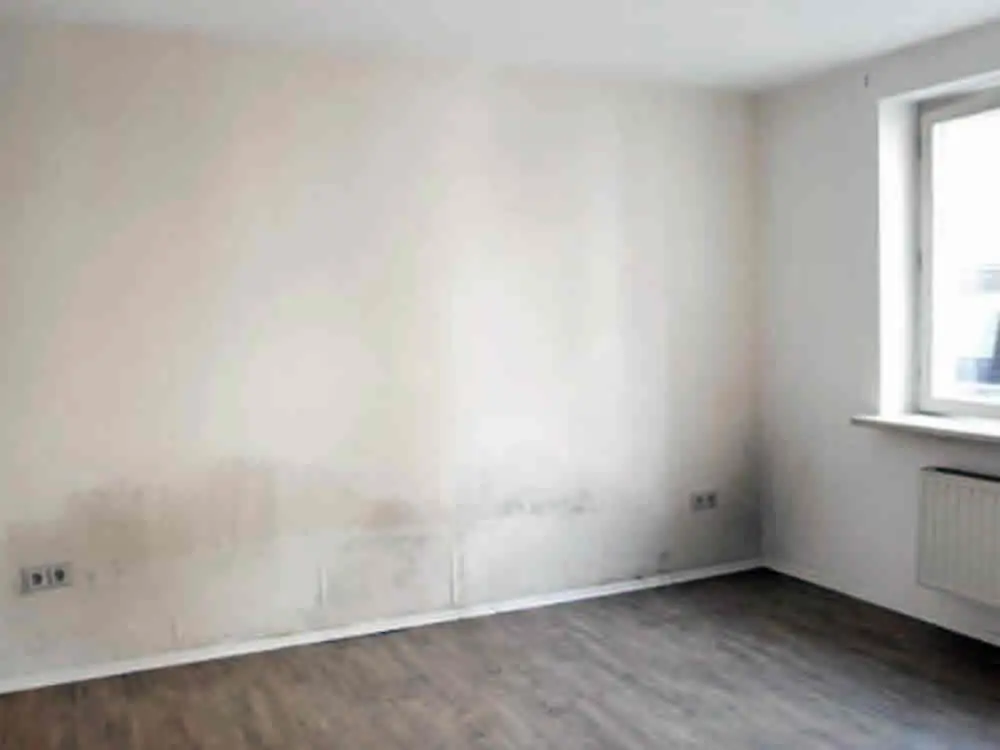
When black mould appears in a rented home, the landlord may put it down to the tenant drying washing indoors, and the tenant may blame a cold, leaky building. Quite often both have a point. Without a proper diagnosis the argument goes round in circles while the mould keeps growing.
Damp has different causes, and the cause largely decides who is responsible:
In England, section 11 of the Landlord and Tenant Act 1985 requires landlords to keep the structure and exterior of a rented home in repair. The Homes (Fitness for Human Habitation) Act 2018, which has applied to most tenancies since March 2020, adds a duty to keep the home fit to live in, and serious damp and mould can make it unfit. Local council Environmental Health teams can also assess "damp and mould growth" as a hazard under the Housing Health and Safety Rating System.
For social housing, Awaab's Law has applied since October 2025, setting deadlines for landlords to investigate and fix damp and mould hazards, and the Renters' Rights Act 2025 allows similar requirements to be extended to private renting.
This is general background, not legal advice. If a dispute is heading towards court or a council enforcement case, speak to a solicitor or your local council's private housing team as well.
Ben can be instructed by a landlord, a tenant, a letting agent or both parties jointly. He has no connection to either side and nothing to sell, so the report simply records what he finds:
The report can be shared with the other party, a letting agent, a deposit scheme or the council's Environmental Health officers.
Ben carries out this survey throughout West Yorkshire from his base in Cleckheaton. Choose your area:
Yes. Tenants can book a survey directly. You'll need to arrange access with the landlord or agent if the problem extends to areas you don't occupy, such as a loft or shared cellar.
No. Condensation depends on moisture levels, heating and ventilation, but building defects such as cold walls, poor insulation, missing extractor fans or windows without vents make it far worse. A survey separates the lifestyle factors from the building factors.
Environmental Health officers make their own assessments, but a clear independent report with readings and photographs gives them useful evidence and often speeds things up.
Simple, straightforward and with no pressure to buy anything afterwards.
Call, WhatsApp or send the form. Photos are welcome. Ben will confirm the fee and book a time that suits you.
Moisture, humidity and temperature readings, plus a close look at gutters, walls, ground levels, ventilation and timbers.
A clear report by email: the cause, the work needed, who can do it, and a guide to the likely cost.
Get quotes from any builder or tradesperson you choose. Ben doesn't do the work, so there's no sales pressure.
Want to know what you'll receive? The sample report shows the level of detail in a full survey: property information and a floor plan, moisture pathways and readings, photographs of each area inspected, external walls, roof spaces, chimneys, heating and ventilation, and clear condition ratings and recommendations.
View the sample report (PDF, 4 MB)
For owners and landlords who want the cause of damp, mould, rot or woodworm diagnosed properly before any work is done.
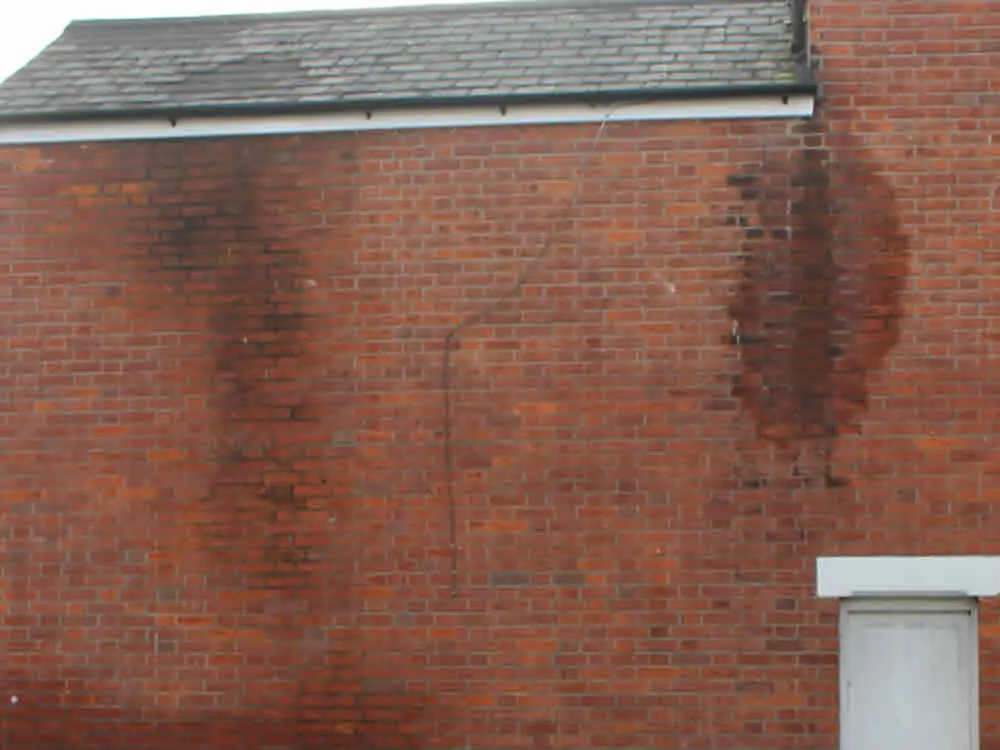
Buying a home? Find out whether damp or timber issues flagged by your surveyor are real, how serious they are and what they'll cost.
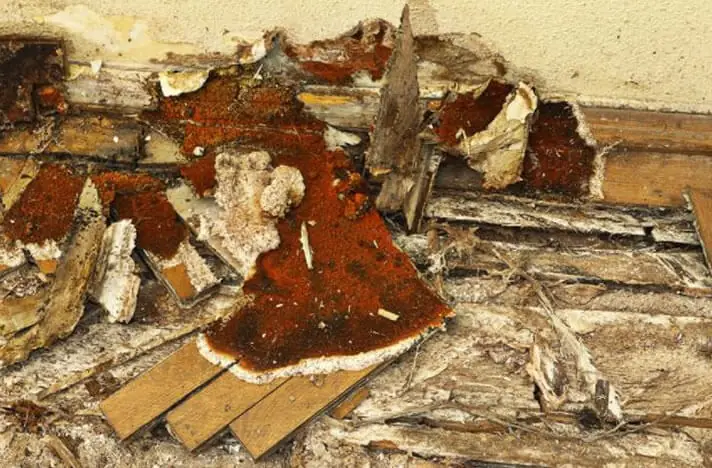
Spongy floors, cracked timber or small holes in joists? Identify dry rot, wet rot or woodworm and whether it's still active.
Talk to Ben about the problem you've noticed. He'll explain whether a survey is worthwhile and confirm the fee before anything is booked.