
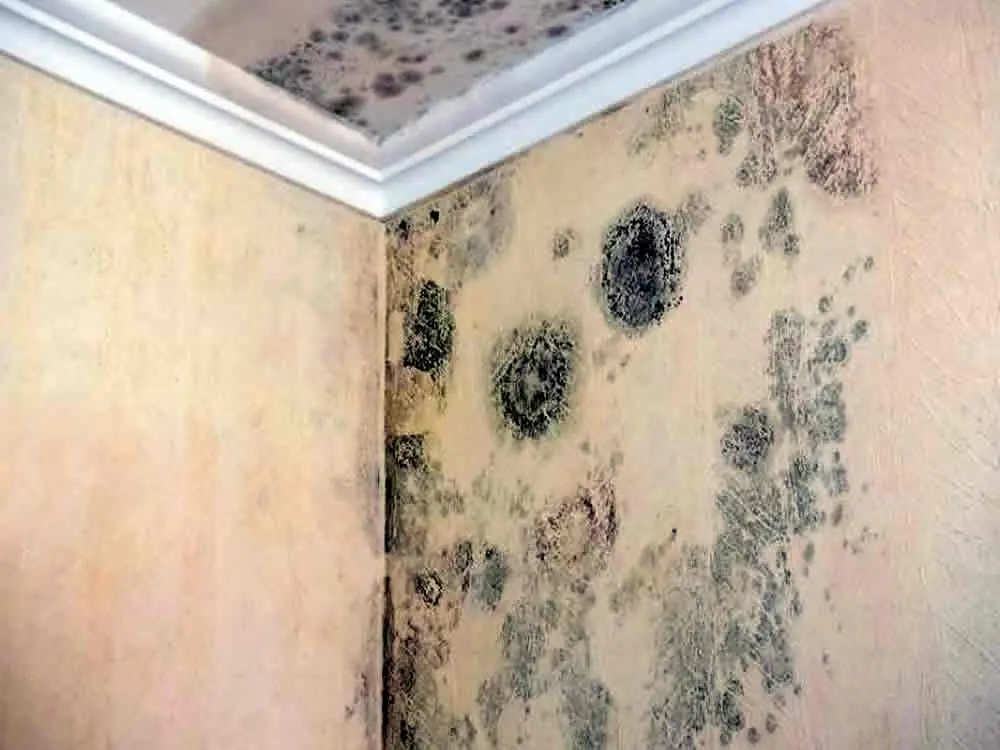
Homeowner Survey
For owners and landlords who want the cause of damp, mould, rot or woodworm diagnosed properly before any work is done.
Spongy floorboards, cracked or crumbling timber, a mushroom smell, small round holes in joists: find out exactly what you're dealing with before anything is ripped out or sprayed.
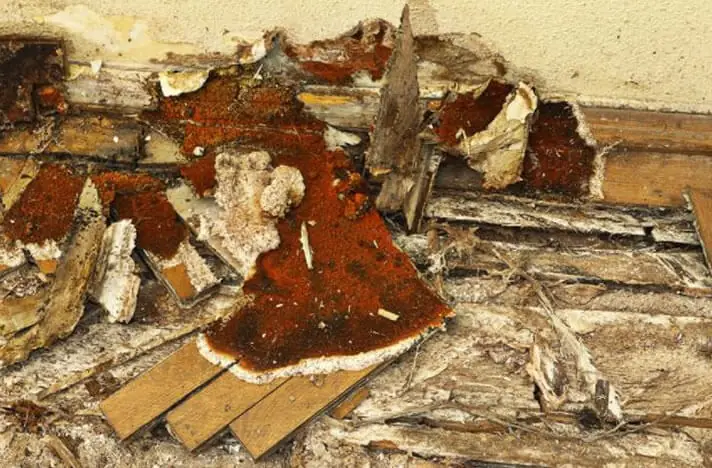
Every type of timber decay starts with moisture. Wood that stays wet enough for long enough will be attacked by fungi, and damp timber is also far more attractive to wood-boring beetles. So a timber survey is always a damp survey too: the decay can't be stopped until the source of moisture is found and removed.
The type of fungus or insect also matters a great deal, because the treatment, and the cost, varies widely.
Wet rot is the most common form of timber decay in houses. It needs timber to stay very wet, so it is usually confined to the area around a leak, a rotten sill, a blocked gutter or a timber floor in contact with damp masonry. Once the source of water is fixed, the decay stops. Badly weakened timber is cut out and replaced, and the rest is left to dry.
Dry rot (Serpula lacrymans) is less common but more serious. It can spread from damp timber across brickwork and plaster to reach dry wood nearby, and it often develops out of sight under floors, behind panelling or in poorly ventilated cellars. Signs include cuboidal cracking of the wood, white or grey strands, a cotton-wool-like growth and, in advanced cases, a rust-red fruiting body with orange-brown spore dust. Correct identification is essential, as dry rot repairs are more extensive than wet rot.
"Woodworm" is the larvae of several wood-boring beetles. The most common in UK homes is the common furniture beetle. Exit holes don't necessarily mean an infestation is active, as many are decades old. Fresh, clean-edged holes and fine powdery dust (frass) suggest current activity. Some infestations die out once timbers dry; others need targeted treatment. Blanket spraying of a whole house is rarely necessary.
Ben carries out this survey throughout West Yorkshire from his base in Cleckheaton. Choose your area:
Wet rot stays close to the source of water and the timber often looks dark and soft. Dry rot can spread across masonry, shows white or grey strands and cotton-wool growth, and causes deep cube-shaped cracking. Because the repairs differ so much, it should be identified by someone experienced.
No. Many exit holes are old and the beetles have long gone. Treatment is only needed where there's evidence of active infestation, and then usually only in the affected timbers.
Often a view under the floor through an existing hatch or loose board is enough. Nothing is lifted or opened up without your permission, or the owner's if you're buying.
Simple, straightforward and with no pressure to buy anything afterwards.
Call, WhatsApp or send the form. Photos are welcome. Ben will confirm the fee and book a time that suits you.
Moisture, humidity and temperature readings, plus a close look at gutters, walls, ground levels, ventilation and timbers.
A clear report by email: the cause, the work needed, who can do it, and a guide to the likely cost.
Get quotes from any builder or tradesperson you choose. Ben doesn't do the work, so there's no sales pressure.
Want to know what you'll receive? The sample report shows the level of detail in a full survey: property information and a floor plan, moisture pathways and readings, photographs of each area inspected, external walls, roof spaces, chimneys, heating and ventilation, and clear condition ratings and recommendations.
This example was produced by John Mann, Ben's grandfather and the experienced surveyor who trained him, for a fictional property.
View the sample report (PDF, 4 MB)
For owners and landlords who want the cause of damp, mould, rot or woodworm diagnosed properly before any work is done.
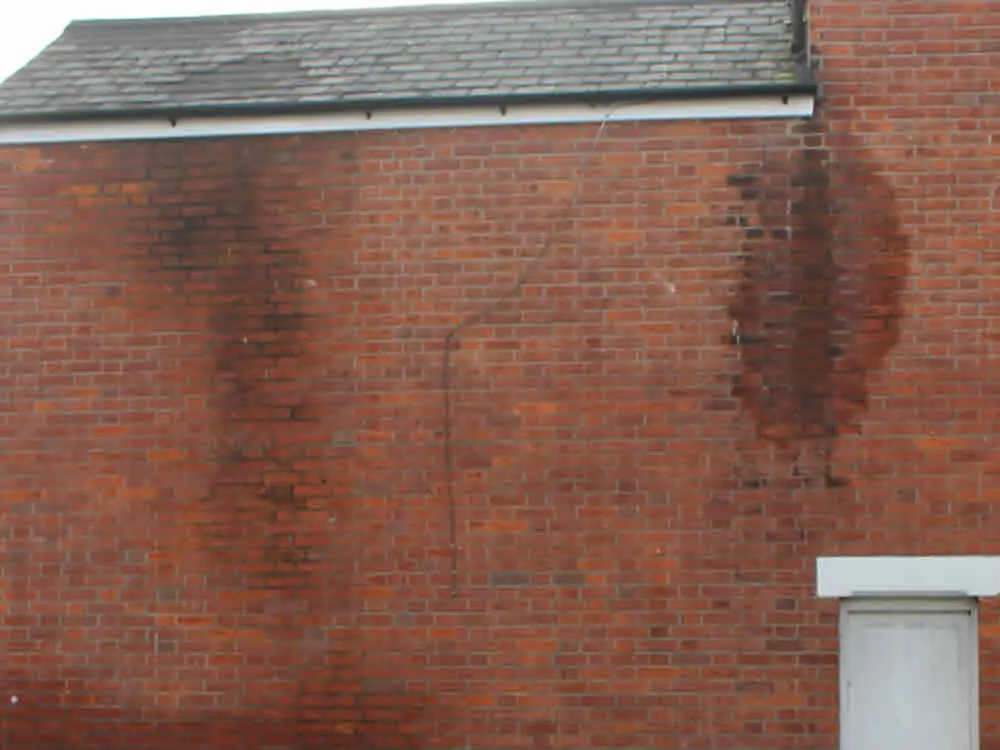
Buying a home? Find out whether damp or timber issues flagged by your surveyor are real, how serious they are and what they'll cost.
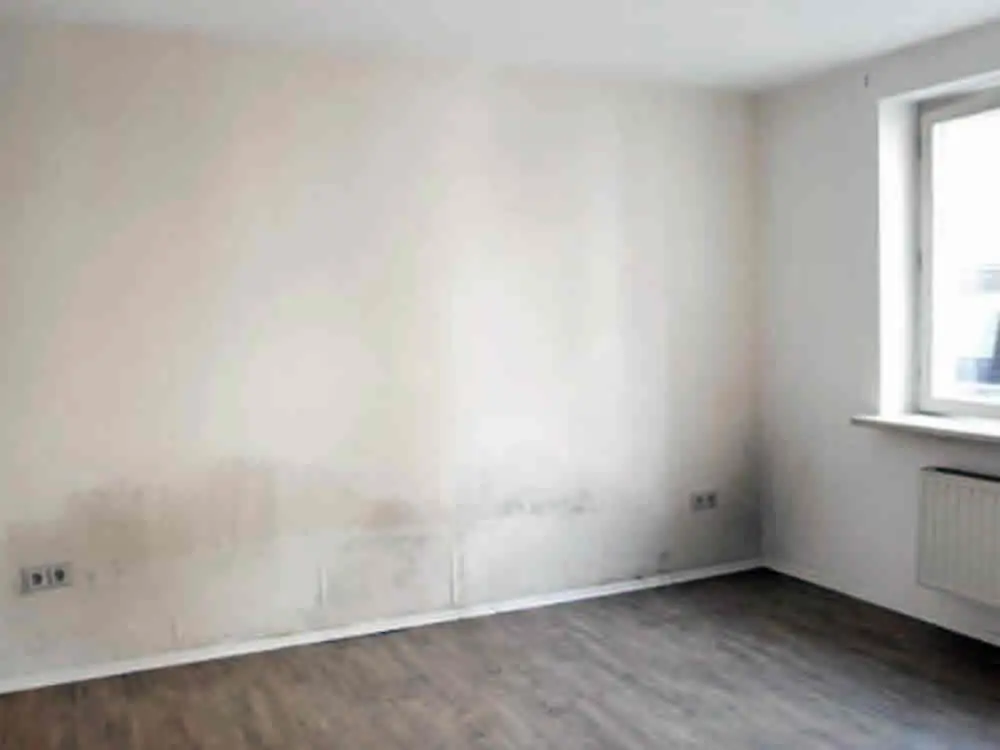
A neutral report for landlords, tenants and letting agents on what is causing damp or mould, and what needs to happen next.
Talk to Ben about the problem you've noticed. He'll explain whether a survey is worthwhile and confirm the fee before anything is booked.