
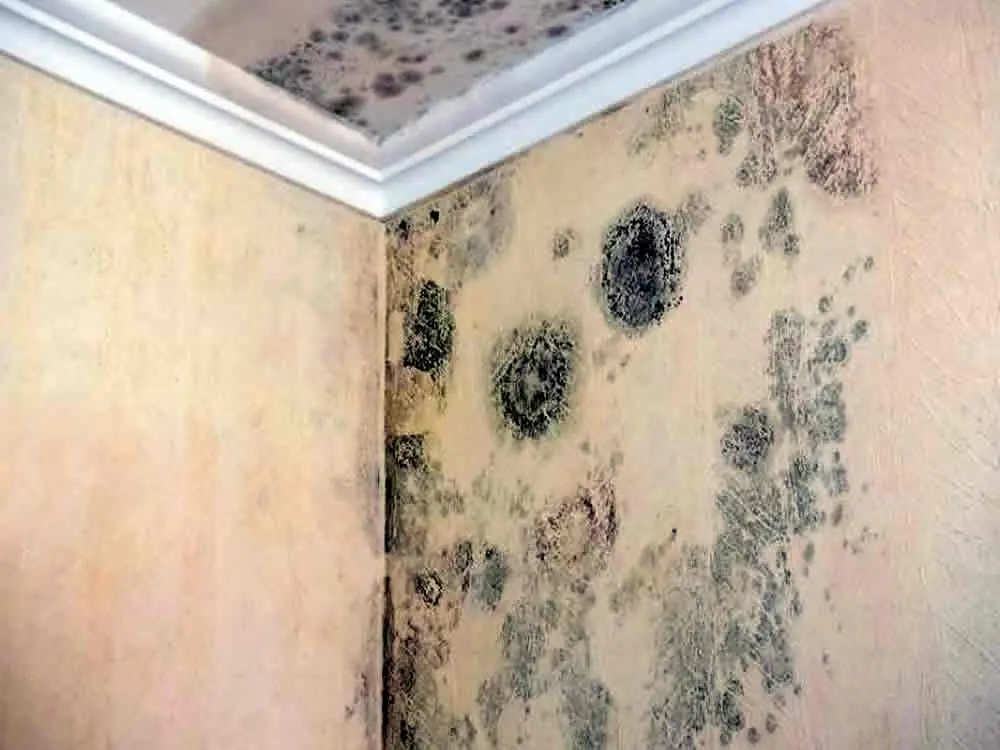
Homeowner Survey
For owners and landlords who want the cause of damp, mould, rot or woodworm diagnosed properly before any work is done.
Your Level 2 or Level 3 survey has flagged "high moisture readings" and recommends a specialist. Get an independent answer before you commit, not a quote from a company that sells treatments.
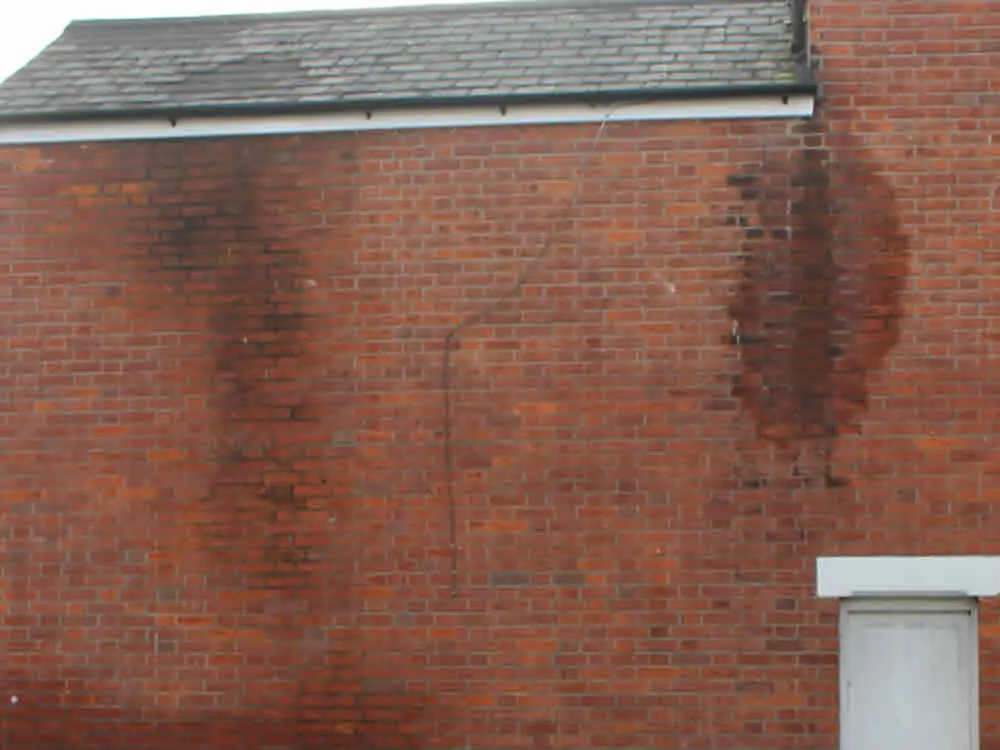
A general building surveyor inspecting a property for a buyer will usually carry a moisture meter. When it shows high readings, the report will typically say "further investigation by a damp and timber specialist is recommended". Sometimes a mortgage lender's valuer will ask for the same before releasing funds.
That recommendation is sensible, but it leaves you with a problem. If you call a damp-proofing company for its "free survey", the person who visits is often paid to sell treatments, and the report you get back can look more like a quotation than an assessment.
Moisture meters are useful, but they're easily misread. Salts in old plaster, foil-backed wallpaper, and some paints can all produce high readings on a wall that is not actually wet. Interpreting them properly takes specialist knowledge, plus a careful look at the outside of the building.
Ben's job is to establish:
Often the answer is that little or no specialist work is needed, just routine maintenance such as clearing a gutter, repointing a section of wall or lowering a flowerbed. When work is needed, the report gives you the facts to plan for it, or to renegotiate the price with the seller.
Book as soon as your building survey comes back, as you'll want the report before exchange of contracts. You will need the seller's permission for access, which is normally arranged through the estate agent. The survey is non-invasive, so nothing is opened up or lifted without the owner's agreement.
Lender conditions: if your mortgage offer names a particular trade body or qualification for the damp and timber report, send Ben the wording when you enquire so he can confirm it will be accepted before you book.
Ben carries out this survey throughout West Yorkshire from his base in Cleckheaton. Choose your area:
Not necessarily. High readings are a reason to investigate, not a diagnosis. Old plaster containing salts, certain wall coverings and condensation can all give high readings. A specialist inspection establishes whether there's a real defect and what it would cost to fix.
Many buyers do. The report sets out the cause, the work required and a guide to likely costs, which gives you and your solicitor something factual to take back to the seller.
Ben understands that purchases run to deadlines. Call or WhatsApp with the address and your timescale and he'll tell you the earliest date he can attend.
Simple, straightforward and with no pressure to buy anything afterwards.
Call, WhatsApp or send the form. Photos are welcome. Ben will confirm the fee and book a time that suits you.
Moisture, humidity and temperature readings, plus a close look at gutters, walls, ground levels, ventilation and timbers.
A clear report by email: the cause, the work needed, who can do it, and a guide to the likely cost.
Get quotes from any builder or tradesperson you choose. Ben doesn't do the work, so there's no sales pressure.
Want to know what you'll receive? The sample report shows the level of detail in a full survey: property information and a floor plan, moisture pathways and readings, photographs of each area inspected, external walls, roof spaces, chimneys, heating and ventilation, and clear condition ratings and recommendations.
View the sample report (PDF, 4 MB)
For owners and landlords who want the cause of damp, mould, rot or woodworm diagnosed properly before any work is done.
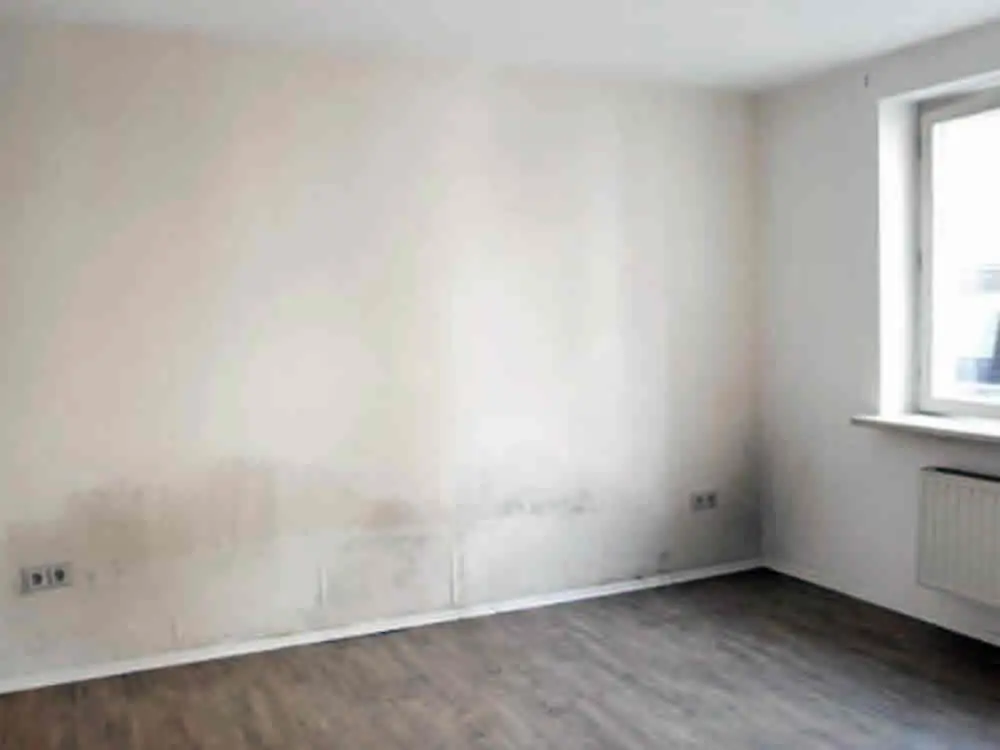
A neutral report for landlords, tenants and letting agents on what is causing damp or mould, and what needs to happen next.
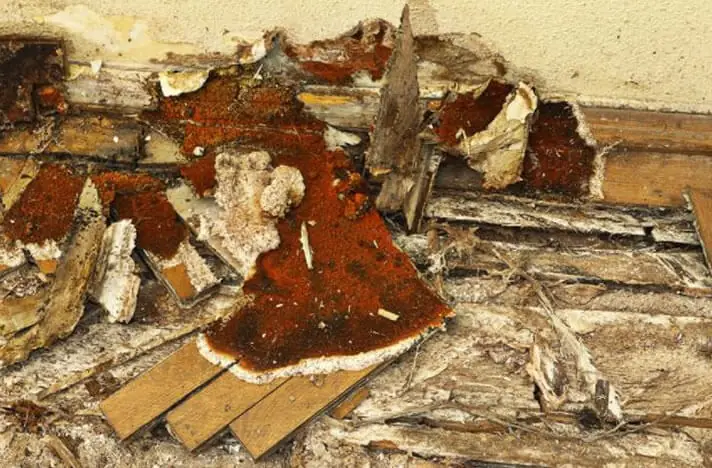
Spongy floors, cracked timber or small holes in joists? Identify dry rot, wet rot or woodworm and whether it's still active.
Talk to Ben about the problem you've noticed. He'll explain whether a survey is worthwhile and confirm the fee before anything is booked.