
Why the type of damp matters
"Damp" is a symptom, not a diagnosis. Water can get into a wall from the ground, from rain, from a leaking pipe or from the air inside the house, and the cure for each is different. A damp-proof course injection won't stop a leaking gutter, and a dehumidifier won't stop water running down the inside of a cellar wall. The first job of any damp survey is to work out which type, or types, you have.
Quick guide: signs and likely causes
| What you can see | Possible causes |
|---|---|
| Tide mark or staining up to about a metre high on ground-floor walls | Bridged damp-proof course, high outside ground, rising damp, leaking pipes, salts in old plaster |
| Damp patches that get worse after heavy rain | Penetrating damp from gutters, downpipes, pointing, sills, chimneys or roof |
| Black mould in corners, behind furniture and around windows | Condensation, often made worse by cold spots and poor ventilation |
| Damp at the back of a house built into a slope, or in a cellar | Lateral damp from soil against the wall |
| A localised patch that appears whatever the weather | Plumbing or heating leak, shower or bath seal, leaking waste pipe |
Rising damp
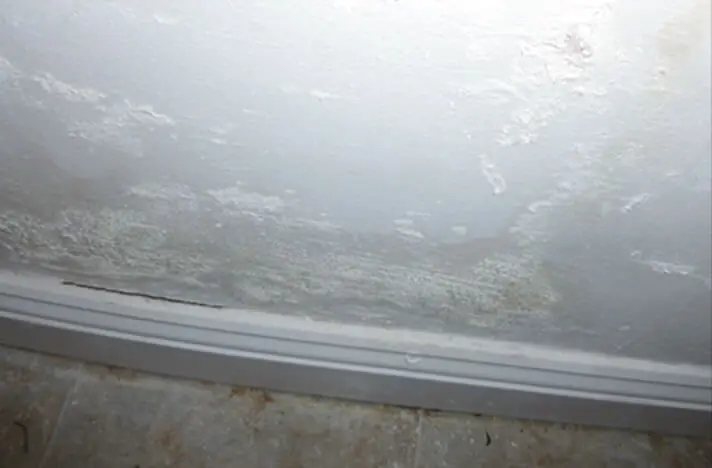
Brick, stone and mortar are porous, so moisture in the ground can be drawn up into a wall like water into a sponge. Since the late 19th century most houses have been built with a damp-proof course (DPC), a barrier of slate, bitumen or, later, plastic built into the wall a short distance above the ground, to stop this happening.
Genuine rising damp does occur, typically where there is no DPC at all, or where an old one has failed. It tends to produce a band of damp up to around a metre high, often with a "tide mark" of salts.
However, true rising damp is much less common than is often claimed. Many walls diagnosed with rising damp actually have a perfectly good DPC that has been bridged: by a patio, path or flowerbed built up above it, by render taken down over it, by debris in a cavity, or by internal plaster touching a damp floor. Removing the bridge is usually cheaper and more effective than injecting a new DPC.
Penetrating damp
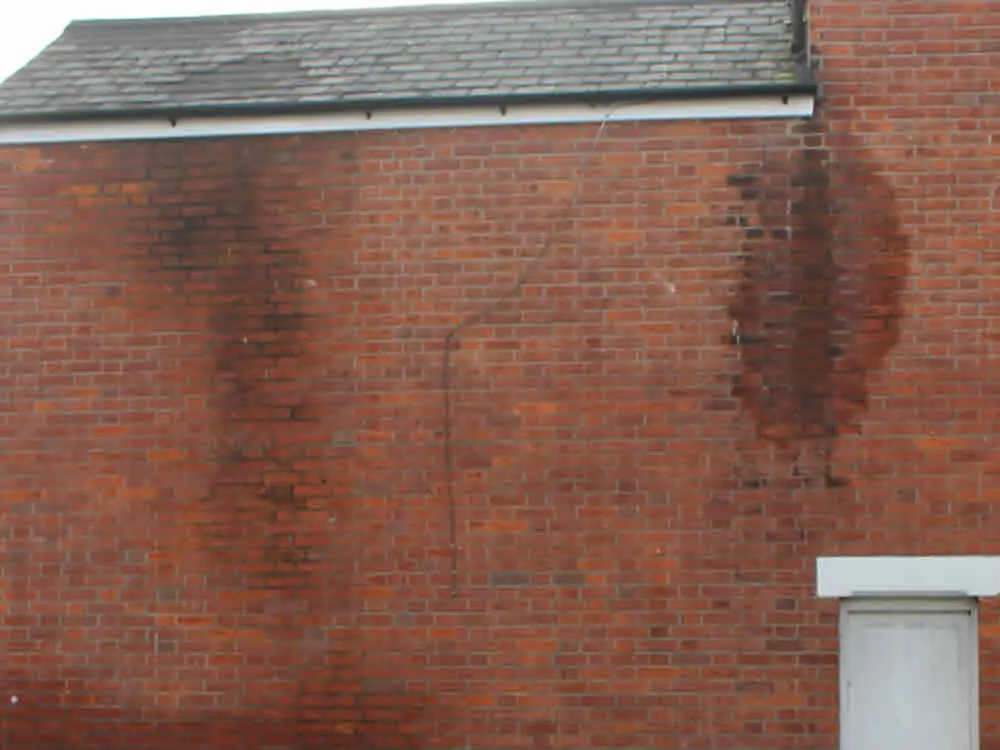
Penetrating damp is water getting through the building from outside. It can appear anywhere, at any height, and it usually gets worse after heavy or wind-driven rain. In West Yorkshire, with its exposed hillsides and solid-walled older houses, it is one of the most common causes of damp.
Typical sources include blocked or leaking gutters and downpipes, eroded or cracked pointing, porous or damaged brick and stone, defective window sills and seals, chimney stacks and flashings, missing or slipped roof tiles, and failed cavity trays. Most of these are maintenance jobs for a builder or roofer, not for a damp-proofing company.
Lateral damp and damp cellars
Many West Yorkshire homes have cellars, or are built into slopes so that the back wall holds up the ground behind it. Soil against a wall keeps it wet, and water moves sideways through it, which is known as lateral damp. A damp-proof course can't help, because the water isn't rising.
An unconverted cellar is rarely completely dry, and doesn't need to be. What matters is that it is ventilated, that water is drained away from the outside where possible, and that timbers in or above it are kept dry. If you want to use a cellar as a living space, it needs a properly designed waterproofing system, and independent advice before you get quotes is worth having.
Condensation and black mould

Condensation is the most common form of dampness in homes, especially in winter. Air holds moisture as water vapour, and warm air holds more than cold air. Cooking, washing, bathing, drying clothes and even breathing all add moisture. When that warm, moist air touches a cold surface such as a window, an outside wall, or a corner behind a wardrobe, it cools to its dew point and the moisture turns back into water.
Persistent condensation leads to black mould, which spoils decoration and can affect health, particularly for people with asthma or other breathing problems.
Condensation is controlled by balancing three things: moisture (reduce it at source, use lids and extractor fans), ventilation (let moist air out, with trickle vents and working fans), and heating (keep surfaces above the dew point). Building defects such as cold bridges, missing insulation or blocked vents can make it much worse, and a survey identifies them.
Leaks from plumbing and heating
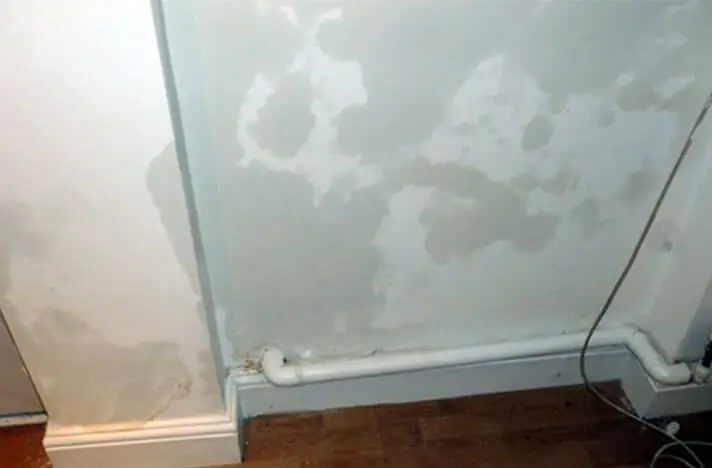
A slow leak from a pipe, radiator valve, shower tray, bath seal or waste pipe can soak a wall or floor for months before it shows. These patches usually stay damp whatever the weather. Moisture readings help trace the source so that a plumber can go straight to it.
Salts and "false" damp readings
Walls that were once damp, or chimney breasts that served coal fires, often contain salts. These salts absorb moisture from the air, so the plaster can feel damp and give high meter readings even when no water is getting in. This is one reason moisture-meter readings alone can be misleading, and why interpreting them needs specialist knowledge.
Frequently asked questions
What is the most common type of damp?
Condensation is the most common form of dampness in UK homes, followed by penetrating damp from rain and leaks. True rising damp is much less common than often claimed.
Can rising damp be cured without injection?
Often, yes. Many cases are caused by something bridging an existing damp-proof course, such as raised ground, render or a path. Removing the bridge and letting the wall dry out can be enough.
Is black mould caused by damp walls?
Black mould usually grows where condensation forms on cold surfaces. It can also grow on walls kept wet by leaks or penetrating damp. Identifying which is happening determines the cure.
Not sure what you're dealing with? An independent survey will tell you, with no treatments to sell. About the homeowner survey.